
On this page
Preparing freight shipments
Choosing freight packaging materials
Securing freight shipments
Marking and labeling freight shipments
Contact us
Resources
Smart prep for smooth deliveries






Choosing freight packaging materials
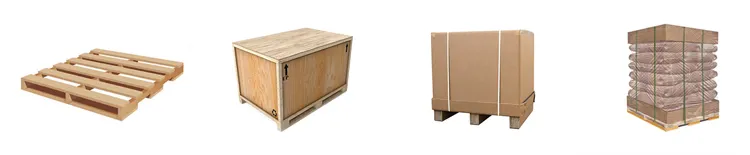
Shipping pallets
Top five considerations when choosing a pallet




Pallet types we recommend
Standard wood pallets
- Typically measure 40" x 48"
- Have four-way entry capabilities
- Can be designed to carry heavy or light loads
- Should be designed to handle full weight, tough shipping conditions, and forklift blade impact

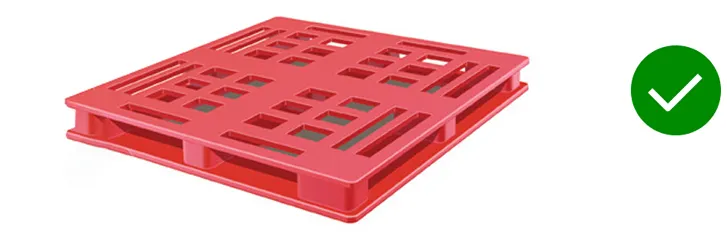
Plastic Pallets
- Can be more expensive and heavier than wood pallets, but are typically reusable
- Sometimes designed with a solid deck to support load weight and protect from forklift damage
- Can be slippery, making products harder to secure
Pallet types we don't recommend
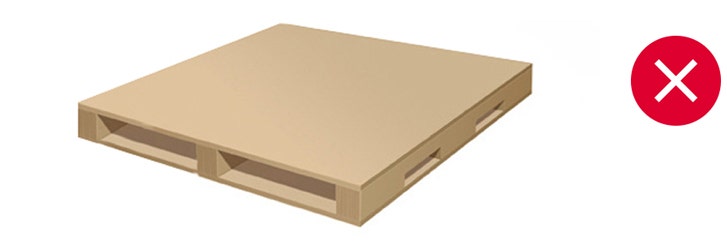
Corrugated fiberboard pallets
- Easily damaged and especially susceptible to moisture damage
- Often not reusable
Pressed block-style pallets and molded pulp pallets
- Lack the sturdiness, stiffness, and strength of natural-wood pallets

Loading your pallet
Recommended stacking methods
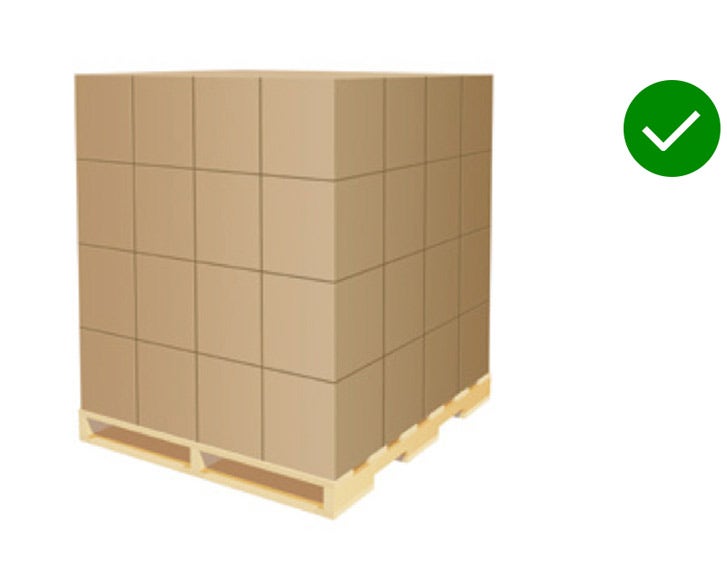
Column stack
Stack cartons in straight columns with no overlap to increase top-to-bottom compression strength. Adding load protector pads between tiers helps boost load stability even more.
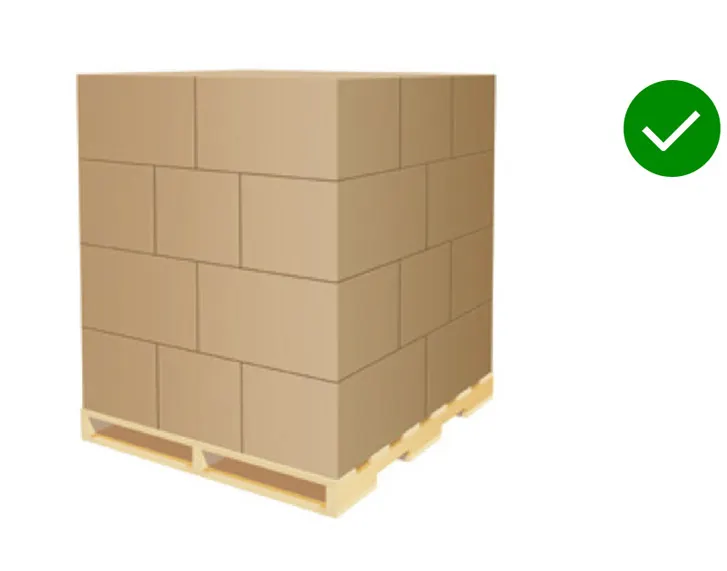
Interlocking stack
When cartons contain rigid contents, interlocking can improve load stability. Stack cartons corner to corner and edge to edge to maximize strength.
Stacking methods to avoid
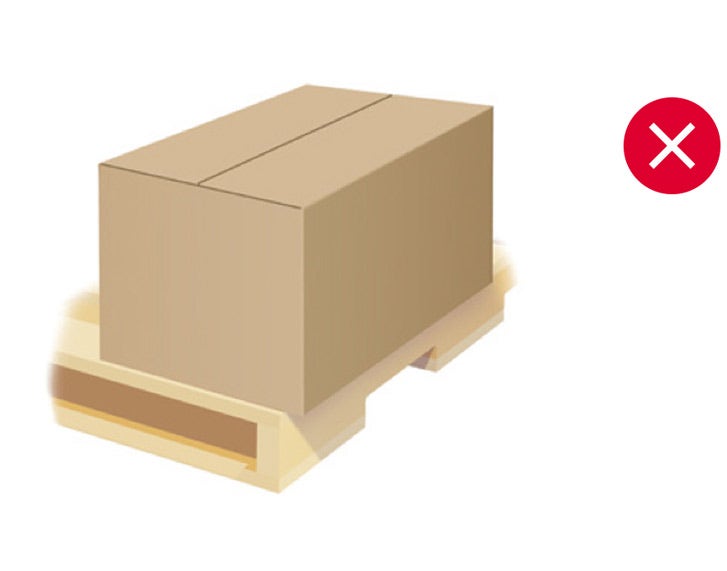
Overhanging stack
Allowing product to extend beyond the pallet edges can reduce compression strength by up to 32%. It also increases the risk of tears, punctures, and damage.
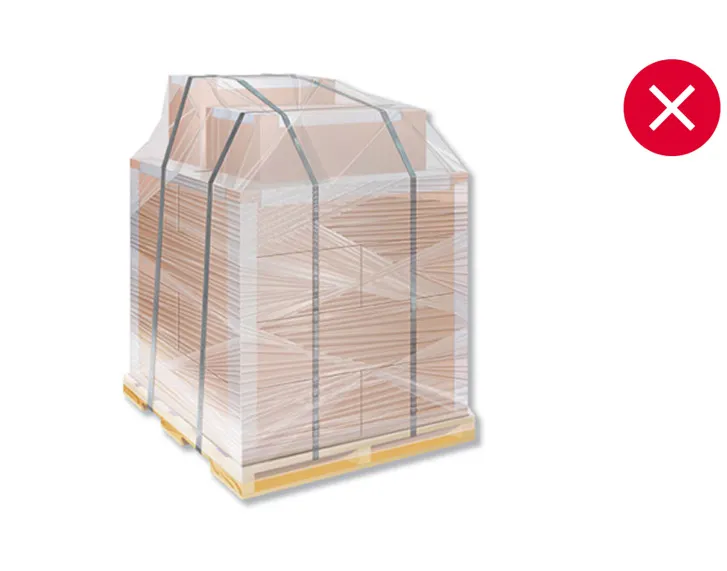
Pyramid stack
Although pyramid stacking can save space, it doesn't provide a level top surface. As a result, upper cartons are more likely to be damaged during stacking.
Answers to your freight pallet questions
Shipping Crates
Benefits
Constructing a crate for large cargo
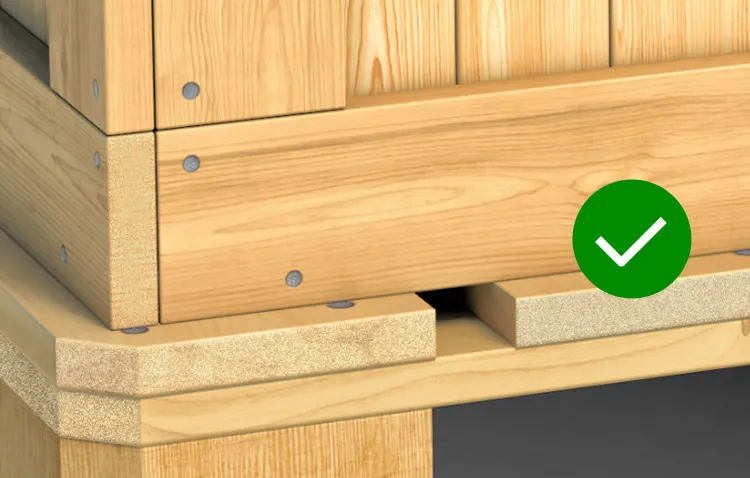

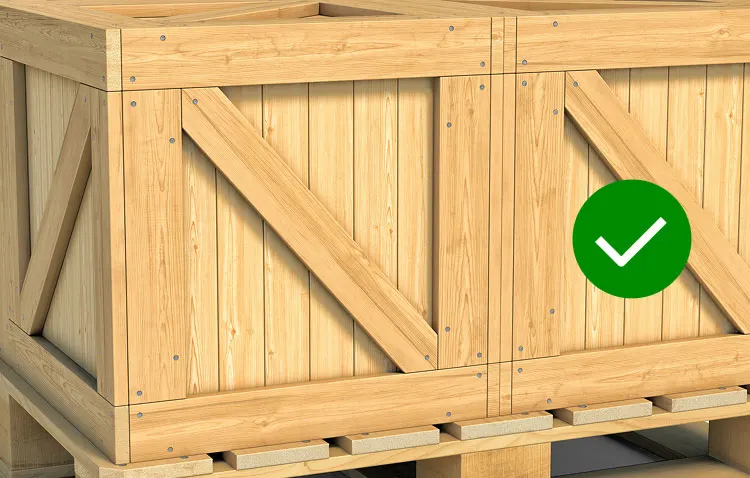
Building crate corners and diagonal braces
Diagonal bracing can significantly improve crate strength. In many cases, wood configuration matters more than the amount of material used.
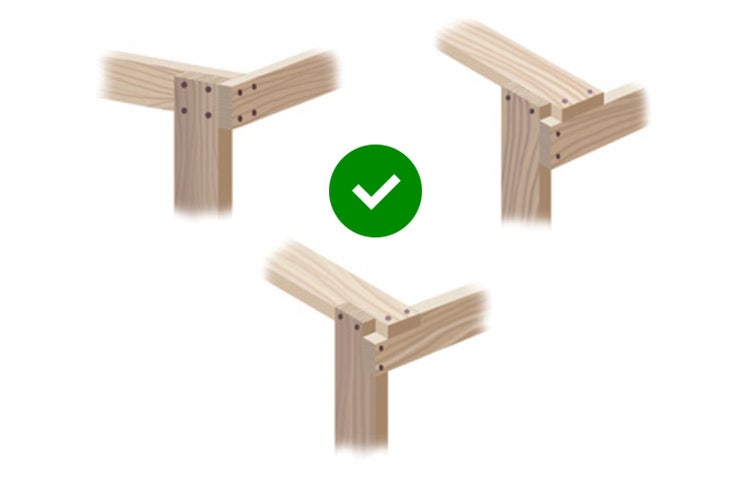
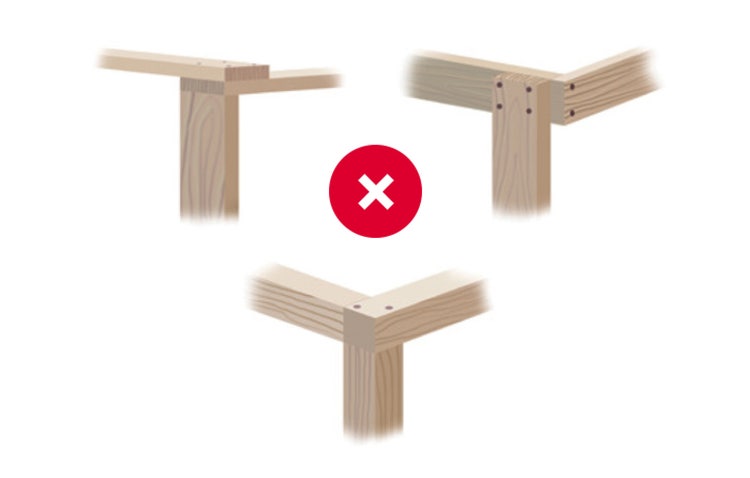
For maximum crate strength, use three-way corner construction. Drive nails into the side grain to create rigid corners and increase holding power.
Recommended
Proper three-way corner construction with nails driven into side grain
Not recommended
Inadequate three-way corner construction with nails driven into end grain
Answers to your freight questions
Freight boxes
Comparing common freight box materials
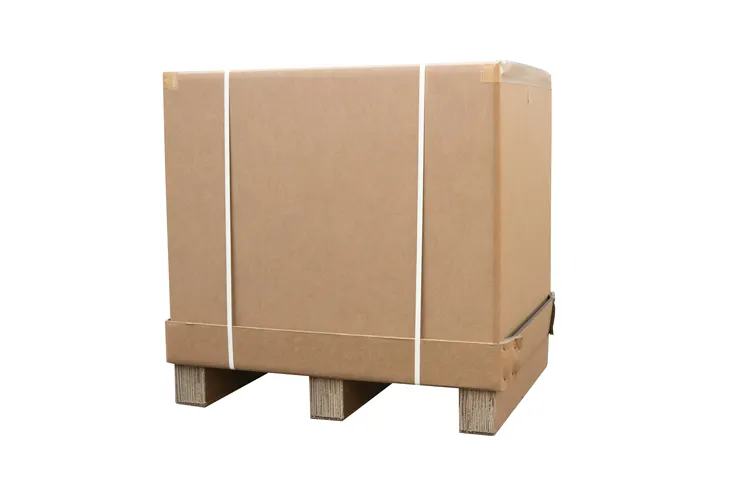
Corrugated fiberboard
Pros
- Available in multiple sizes and thicknesses, including single-, double-, and triple-wall.
- Economical
- Often come with removable lids or panels
Cons
- Lowest level of protection
- Susceptible to damage, especially from moisture
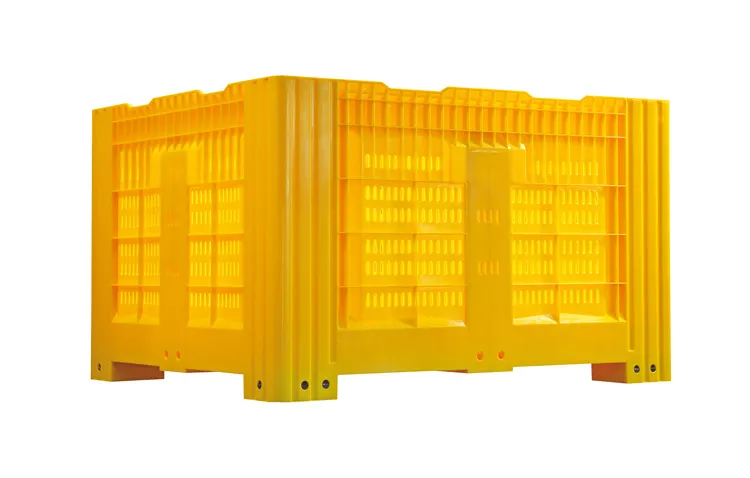
Plastic
Pros
- More durable than cardboard for more protection
- Available in multiple sizes, thicknesses, and types of plastic
- Usually stackable and often collapsible for easy storage
- Usually reusable
Cons
- More expensive than cardboard options
- Slicker surface can risk damage from shifting during shipping
- Often requires cleaning before reuse
- Heavier than cardboard; higher shipping cost
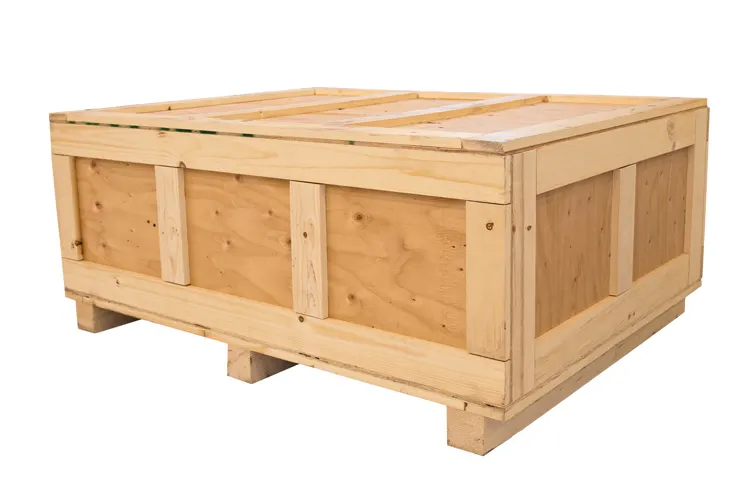
Wood
Pros
- Sturdy and protective
- Usually stackable
- Usally reusable
Cons
- Heavier than corrugated cardboard or plastic
- Requires a larger storage area
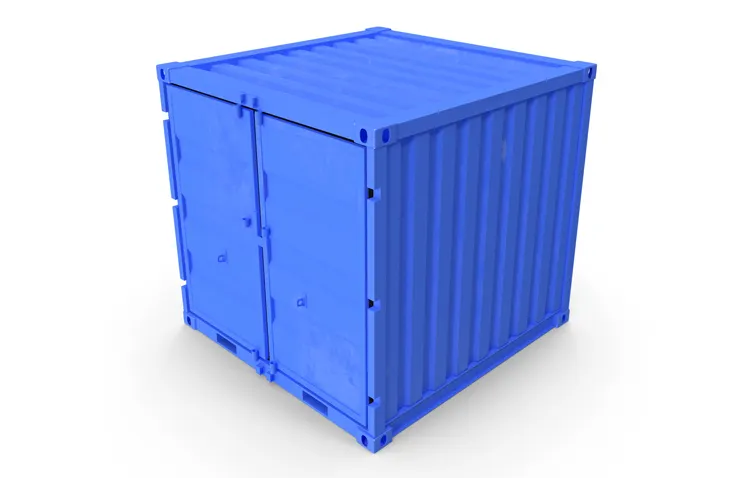
Steel
Pros
- Very sturdy, durable, and protective
- Reusable
- Stackable
Cons
- Heavy; can cost more to ship
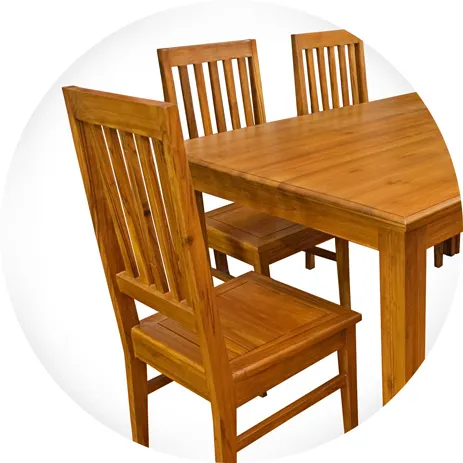
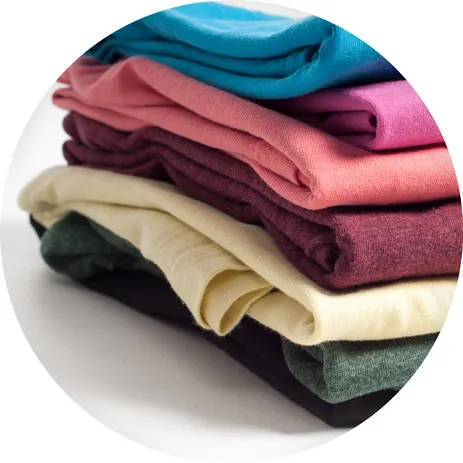
Items commonly shipped in freight boxes


Additional packaging options
Bagged products
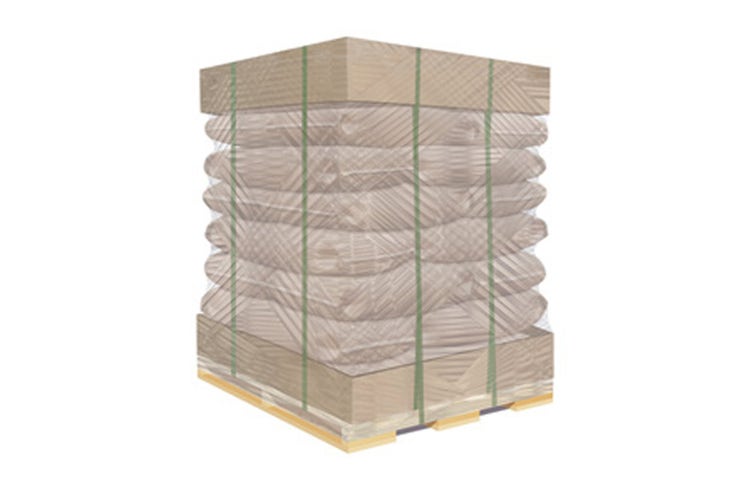
Bagged products like gardening materials and bulk dry goods can shift, change shape, and be punctured during transit. For these reasons, they should always be shipped on a pallet. Follow these guidelines to help ensure a safer journey:
- Put a corrugated cardboard tray on top of the pallet (under the bottom bag).
- Interlock-stack the bags, use tier sheets, and have a second tray cover the unitized load.
- If possible, place cardboard around the outside of the bags.
- Use stretch wrap and banding to keep all bags within the pallet perimeter. (The top and bottom pallet trays need to be at least 1.5 times the depth of the bags.) Cushion the unitized perimeter with corrugated boards.
Drums and pails
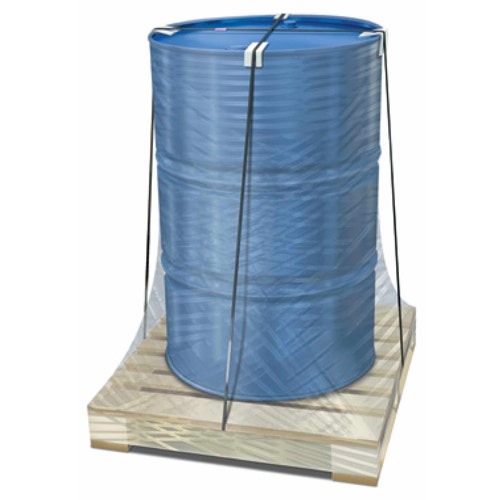
Drums and pails often contain liquid chemicals, food-grade materials, or powders. Secure them to a pallet to avoid shifting.
- Choose a pallet with a solid deck or an anti-skid surface. Use banding, edge protection, and stretch wrap.
- Don't stack more than two drums or three pails high. Ensure stacked drums and pails are nestable (fit securely within or on top of each other).
- If you're packing multiple units in a tier, band them horizontally around the perimeter for added stability.
Spools and reels
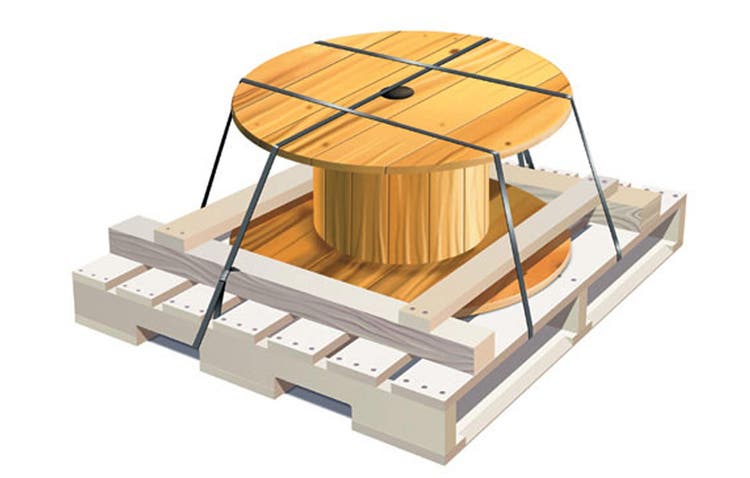
Spools and reels transport wire, cable, rope, or chain. Because they can roll and shift in transit, be sure to secure them to forklift-accessible pallets with blocking and bracing.
Transit cases
Cases are commonly used to protect sensitive items like electronics and trade show displays. Ensure they can be handled easily in transit and palletize cases with caster wheels.
- To keep cases from shifting on the skid, remove wheels or use blocks to suspend them above the deck boards.
- If you don't remove the wheels, pack cases on a pallet with a solid deck to prevent the wheels from being damaged by the forklift.
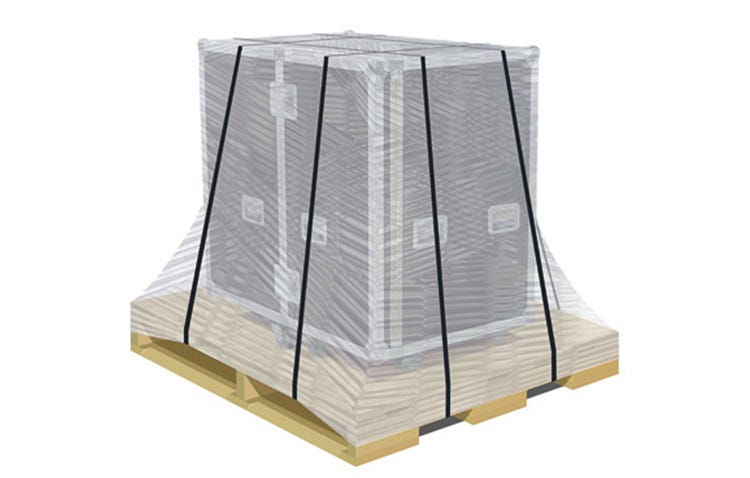

Securing freight shipments
Foam cushioning
Use cushioning that's dense enough to properly support and protect your product during shipment.
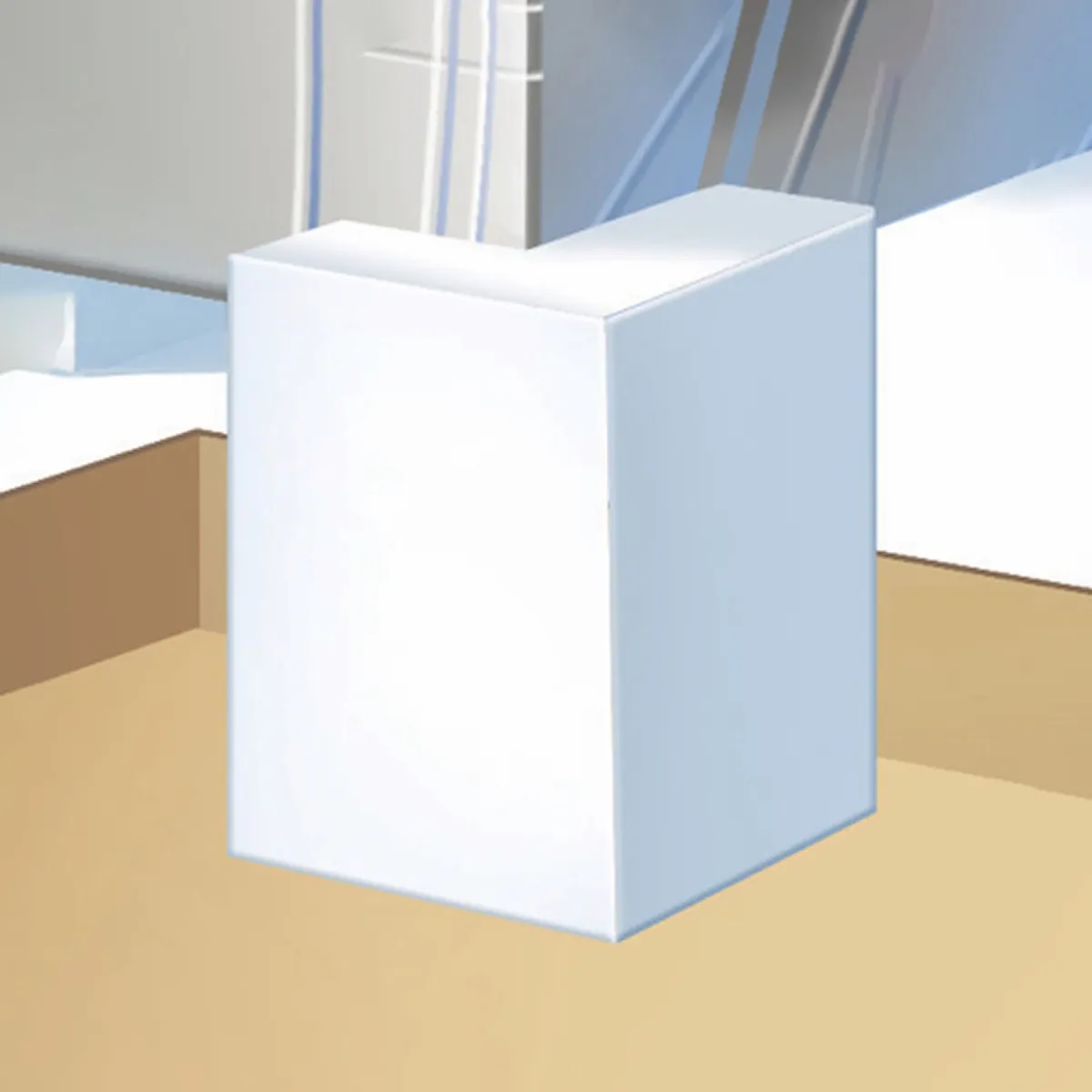
Edge boards
Also called angle boards, edge boards run the full length of the stack. This helps to unitize the load, increase vertical stacking strength, and reduce damage to box edges.
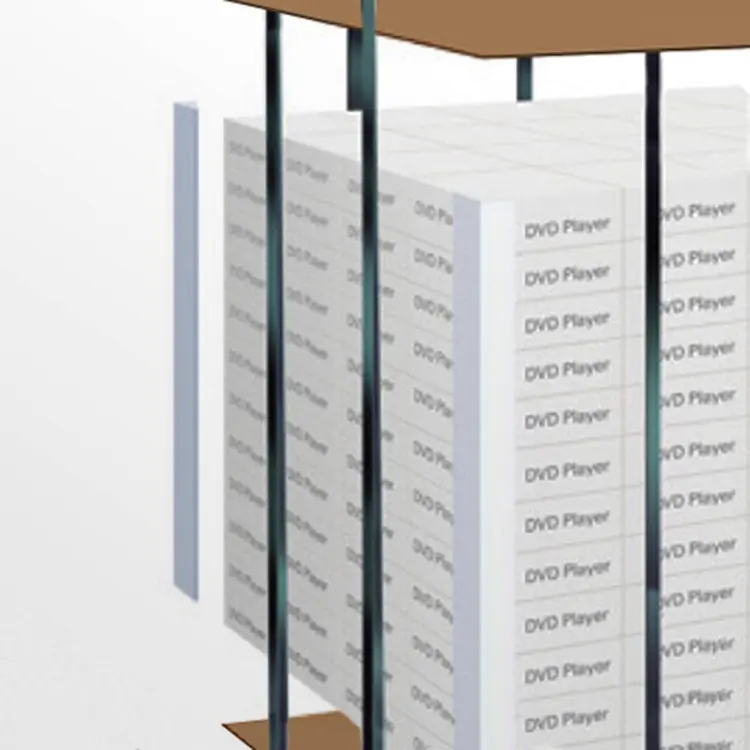
Blocking material
Use wooden blocks and at least two fasteners in each brace to prevent movement. If your item is over 1,500 lbs., pick hardwood pallets and blocking material.
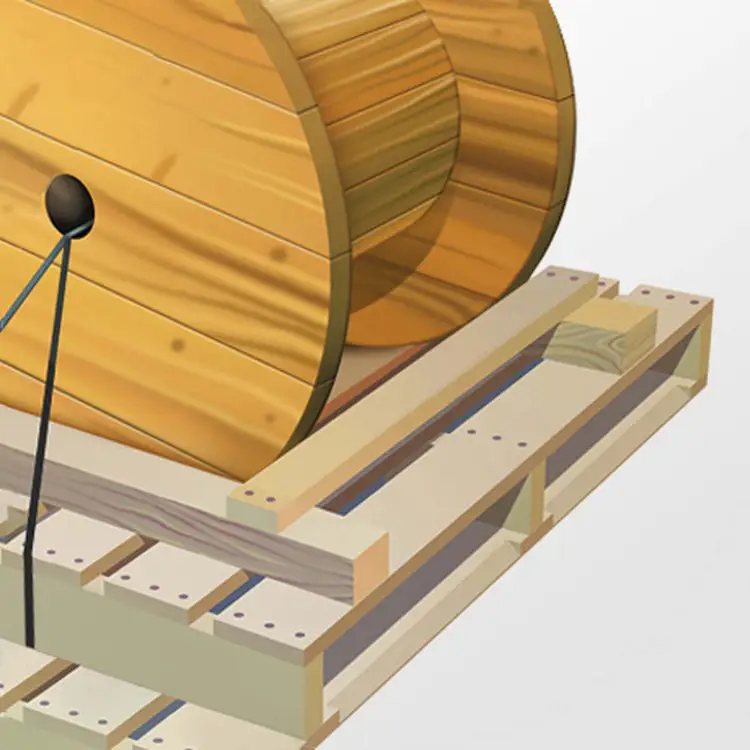
Bands
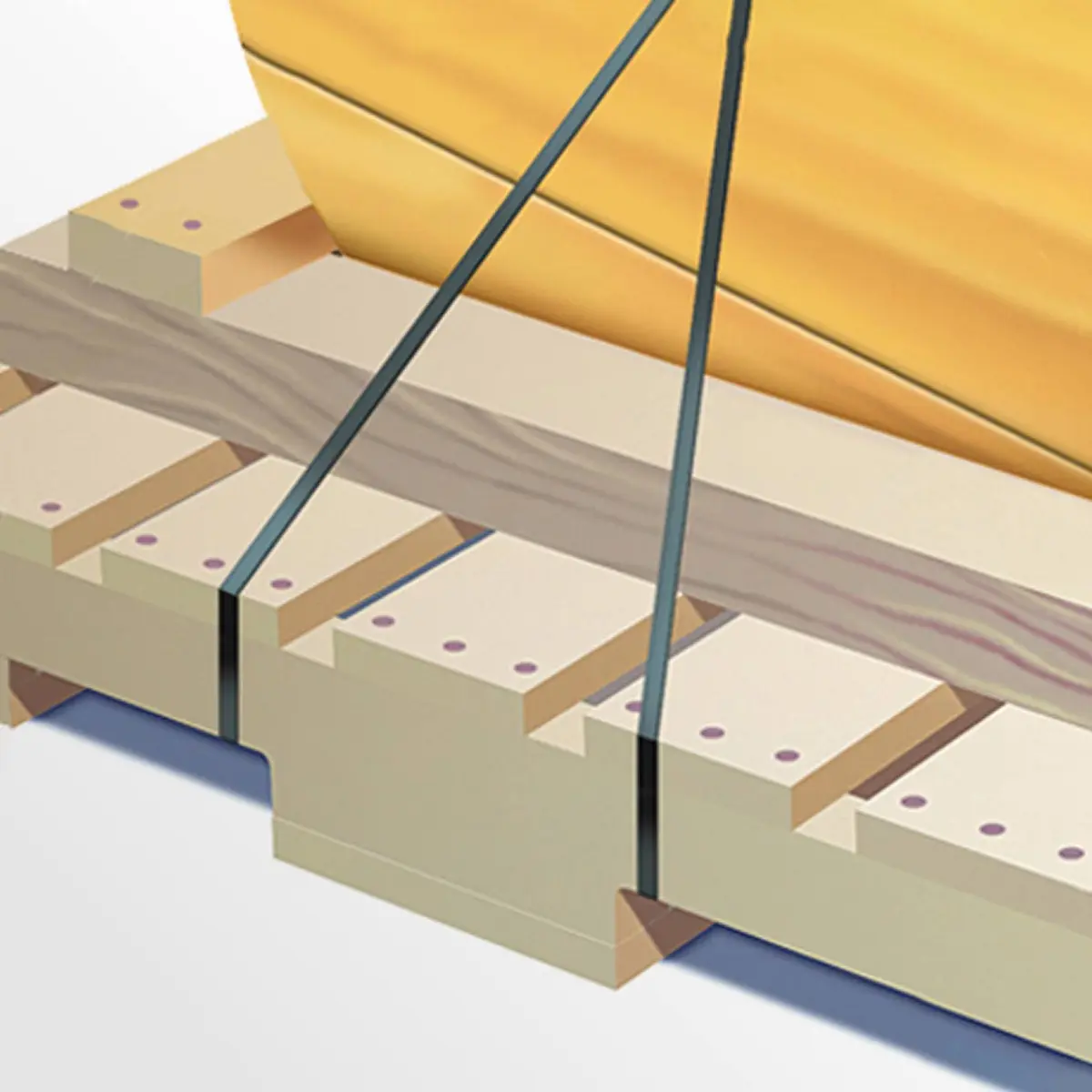
Banding secures bundled freight to pallets and should be kept close to the load to reduce damage. For smaller shipments, center and band to deck boards, not the pallet exterior. Apply banding to the pallet bottom, avoiding side notches.

Bracing
If your shipment could roll or shift due to its shape or size, brace it on a forklift-accessible pallet base. Heavier shipments require higher-grade bracing lumber.
Stretch wrap
Stretch wrap bundles loads and protects large individual items. To prevent shifting, wrap tightly with self-adhering 70-gauge wrap. Secure the load to the pallet by ensuring the minimum containment force is achieved for stability.

Load protectors
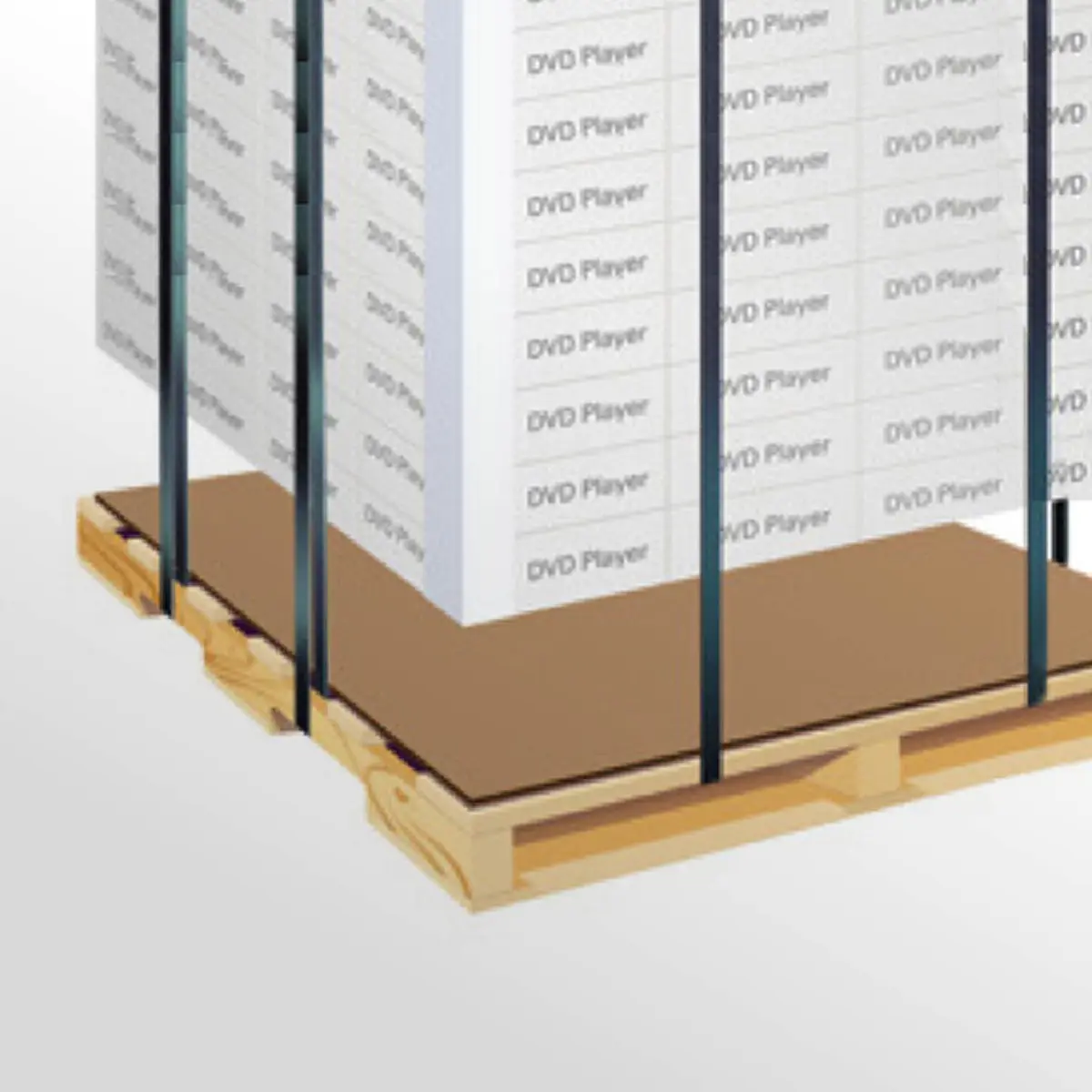
Top and bottom load-protector pads distribute weight, reduce damage, create a level surface, and protect cartons from pallet nail heads and gaps.
Securing specialty freight
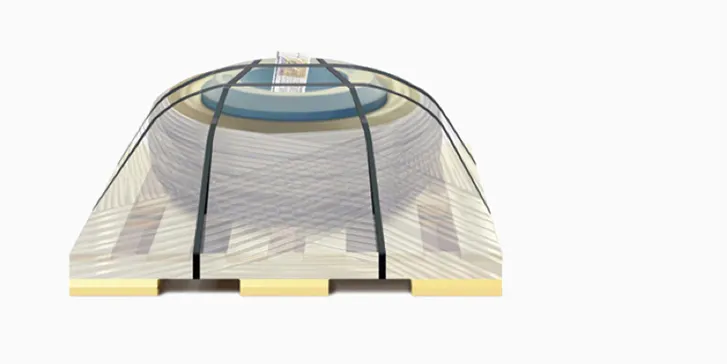
- Band and stretch-wrap tires to a pallet.
- For tall stacks, use an anti-skid surface to reduce movement.
- Add a tie-on tag or a tire/crate label.
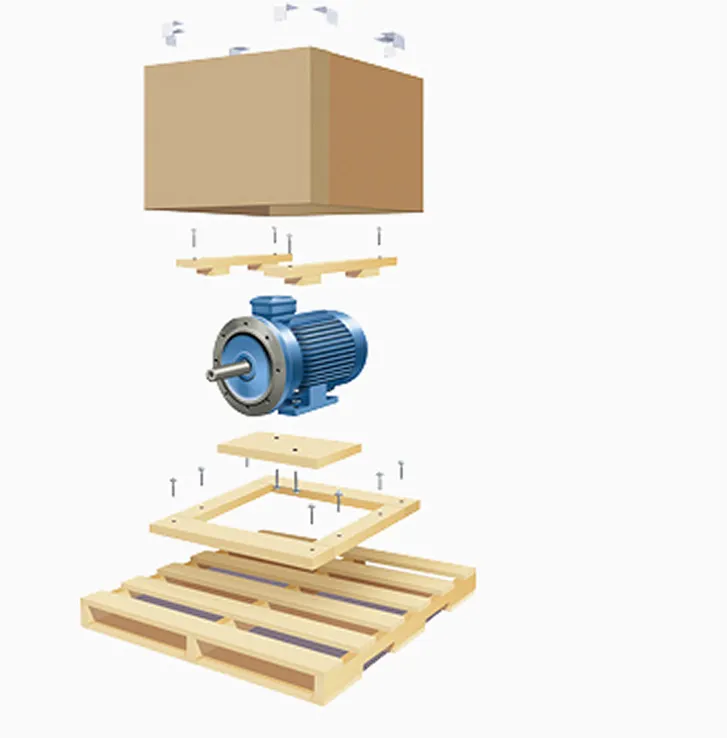
- Drain all fluids and securely mount the engine to the pallet deck.
- Use internal blocking and bracing.
- Surround the engine with sturdy expendable packaging like corrugated cardboard or wood.
- Add stretch wrap and banding for additional protection.
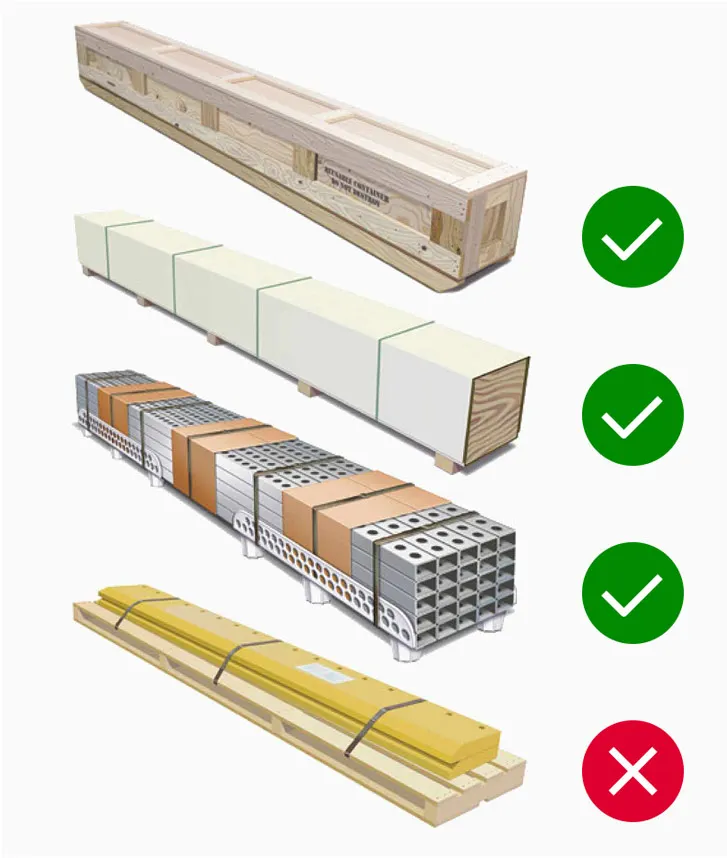
Long items such as pipes can damage other cargo or create safety risks if not properly packaged.
- Use a crage with chamfered stringer ends, a Reddi-Crate®, or an OptiLedge® design. These options support double-stacking and mechanical handling.
- Ensure all labels and paperwork adhere securely to the exterior.
- Avoid banding unproteced long or non-profile freight directly to a pallet. This offers no outer protection for double-stacking, leads to shifting, and makes labels hard to apply.
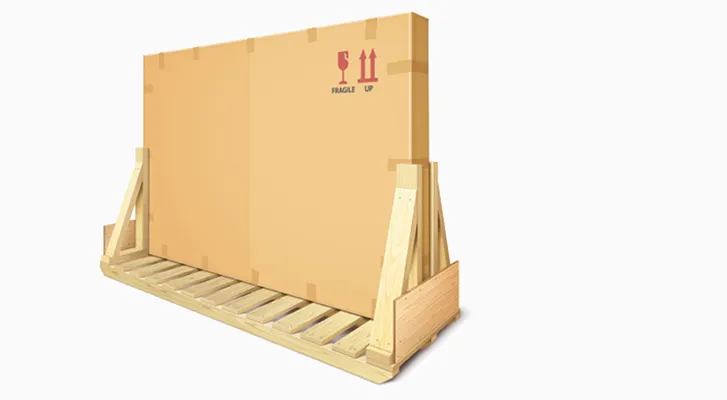
Sturdy shipping containers are required for items such as mirrors, artwork, doors, windows, and countertops.
- Brace items on an elongated pallet using integrated A-frames, crate bracing, or bookend bracing to keep them upright.
- The width of the pallet base should be more than half the unit's center of gravity or height
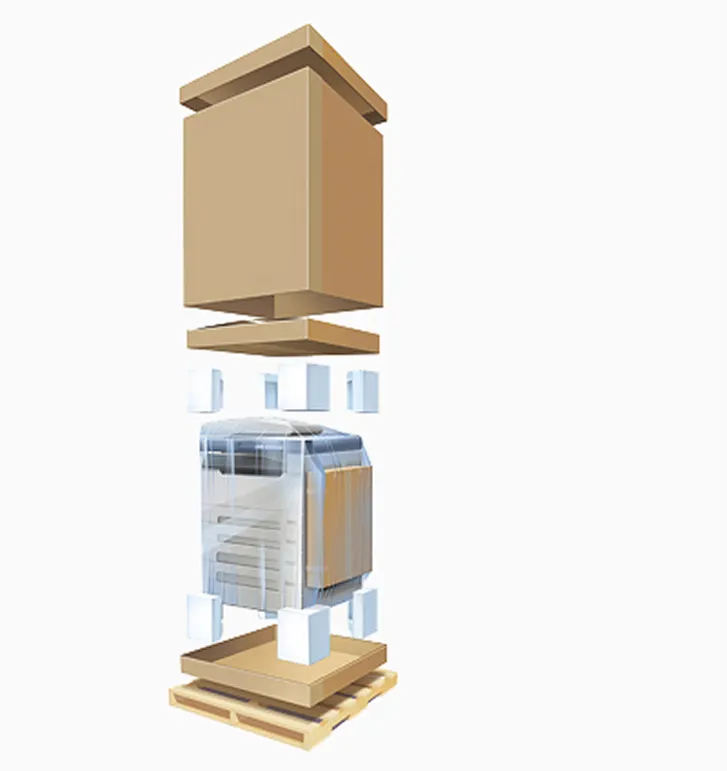
Protect sensitive items by crating or enclosing them.
- Minimize shifting with a combination of cushioning, corner protection, corrugated cardboard, and film.
- When needed, bolt the item to the pallet deck and secure it with banding and stretch wrap.
Marking and labeling freight shipments
Clearly marked and labeled shipments are less likely to be delayed or lost. Follow these guidelines to help ensure your freight is handled and delivered correctly.
- Remove or mark through any old labels or tags.
- Be descriptive when creating new labels.
- Place labels on the forklift-accessible sides of the shipment.
- Attach consignee information and pro numbers to all sides of your shipment. Include any applicable documents in an external shipping pouch.
- If your shipment is palletized, use arrow markings or "This end up" labels to maintain proper orientation.
- If using an indicator to track shipping conditions, attach it directly to the item to better monitor the shipping environment. These indicators are not valid for damage claim purposes.
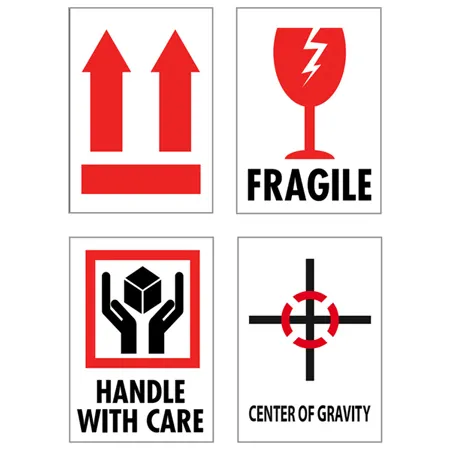
Label library for freight shipments
Have questions?

Resources